Publish Time: 2026-05-09 11:17:08
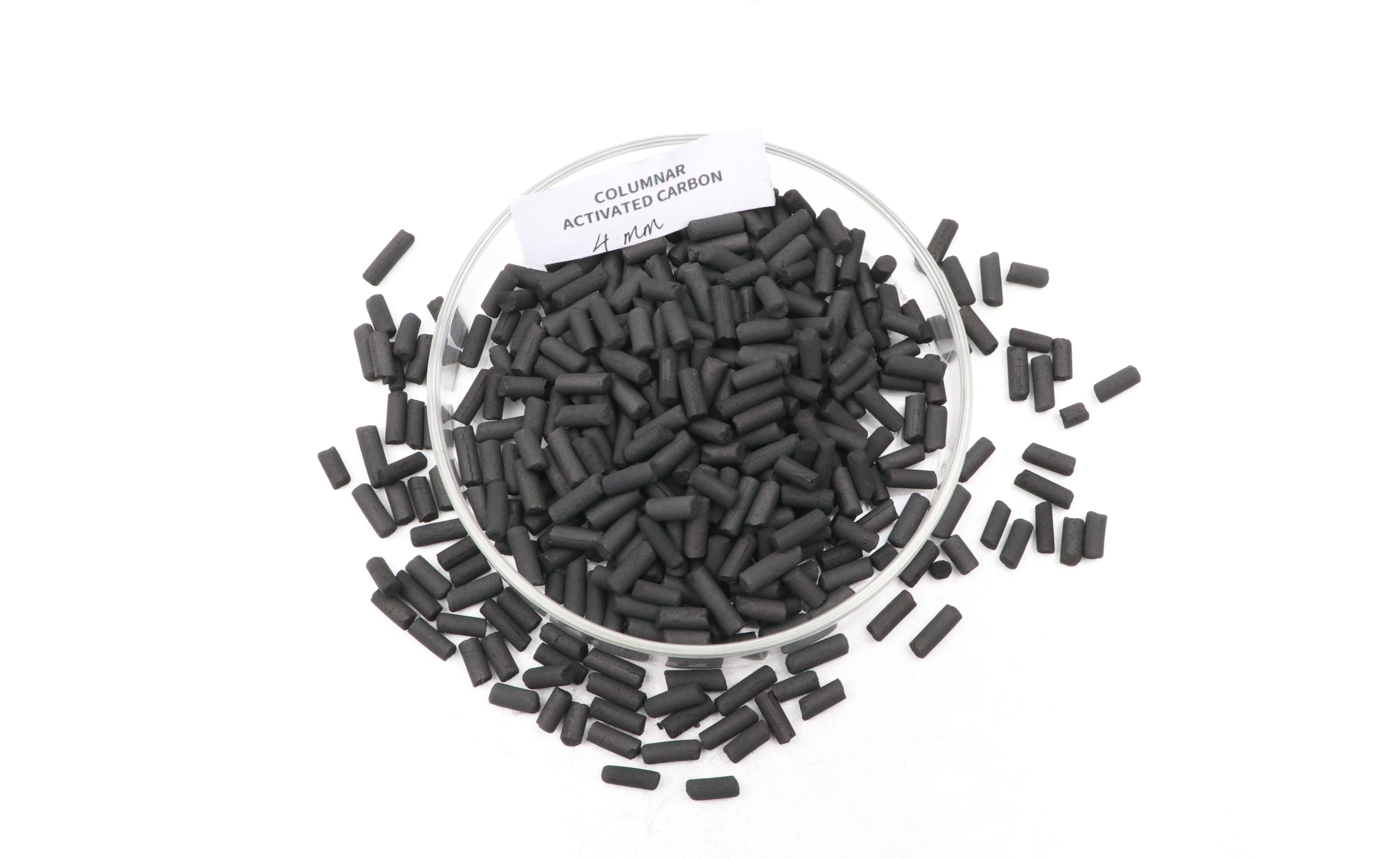
Coal based columnar activated carbon stands as a highly efficient porous adsorbent, widely utilized in water treatment, air purification, gas adsorption and industrial purification fields. Its excellent performance including well developed pore structure, large specific surface area, high mechanical strength and stable chemical properties largely depends on two core factors: raw coal selection and carbonization activation technology.
The quality of columnar activated carbon starts with selecting the right coal types. Common raw materials include bituminous coal (high carbon, good volatile matter), anthracite (high fixed carbon, low porosity), and lignite (for macro-pore dominated products). Blends are typically used to balance hardness, yield, and adsorption performance.
Single coal types rarely meet all performance standards. Use precise blending: adding binders for strength, controlling ash below 8–12% to prevent pore blockage, and limiting sulfur for food/water contact applications. Proper blending ensures uniform carbonization and reduces activation defects.
Carbonization transforms raw coal into a semi-coke precursor under oxygen-limited conditions: temperature ramp 300–600°C, residence time 30–90 minutes. Results include volatile removal, primary pore network formation, and carbon skeleton fixation. Controlled heating prevents cracking and yields consistent column diameter (commonly 1.5–9 mm).
Post-carbonization activation creates the final porous structure. Gas activation (steam or CO₂ at 800–1000°C) creates micropores and mesopores and is preferred for columnar products. Chemical activation (KOH or H₃PO₄ before carbonization) yields supermicroporous carbons but requires thorough washing. Gas activation remains preferred due to lower residual chemical risk.
Key performance indicators during activation include iodine number (micropore volume, target 900–1200 mg/g), Hardness (≥95% to ensure column integrity), and bulk density (typically 0.45–0.55 g/mL for water treatment). Real-time monitoring of exhaust gas composition (CO, CO₂, H₂) helps maintain activation uniformity.
After activation, columns may undergo acid washing (removes soluble ash and metals – essential for potable water), impregnation (e.g., sulfur for mercury capture or silver for bacteriostasis), and sizing/dust removal. These steps tailor the product for gas purification, solvent recovery, or wastewater treatment without changing base coal chemistry.
Are you looking for a coal-based activated carbon manufacturer with sufficient production capacity and the ability to offer customized services? Contact us directly for quote.